Bachelor of Science in Physiotherapy
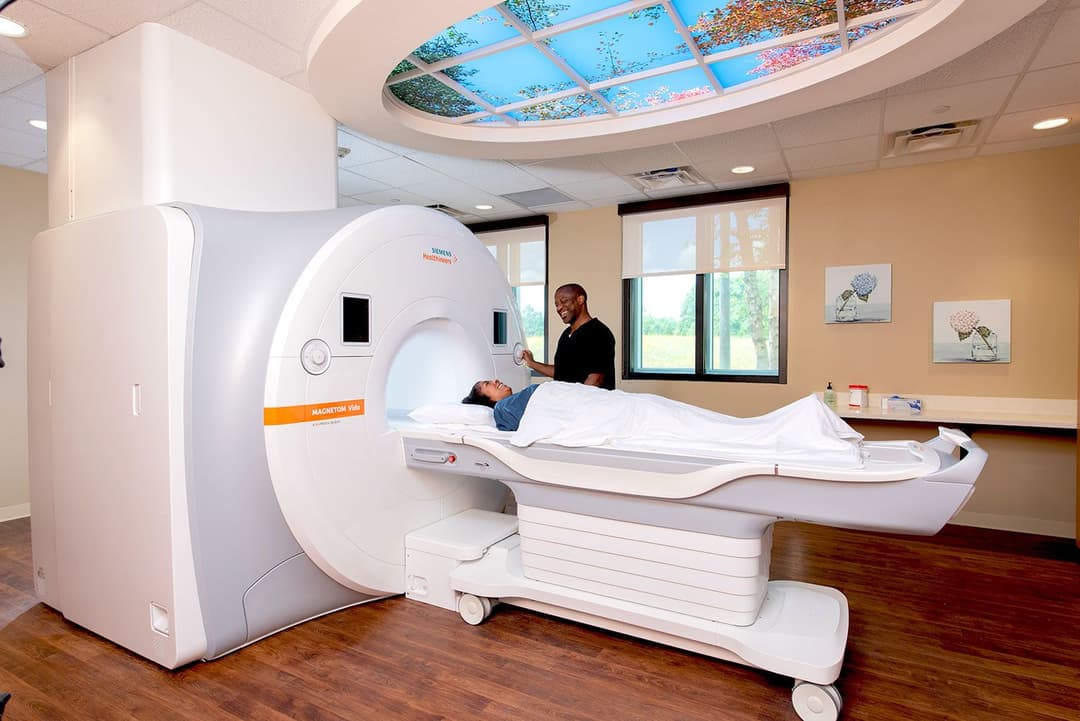
Physiotherapy is a health care profession concerned with human function and movement. It uses physical approaches to promote, maintain and restore physical, psychological and social well-being. It employs scientific methods to assess, manage and rehabilitate the affected. Physiotherapy services are used in many settings such as hospitals, community care organizations, sports organizations/units and in many workplace settings. It is also research oriented, exploring fundamental concepts and evaluating physiotherapy services to ensure optimum quality of care. The profession is also committed to effective communication with members of the health care delivery team, the community and the continuing education of its’ graduates.
The main objective of the course is to provide up-to-date, advanced and relevant knowledge in Forensic Medicine and Science to members of the legal profession
- to enable them to have a better understanding of the interface between law and forensic medicine and science and
- to be better equipped to evaluate and consider expert medical and scientific evidence for expeditious and efficient administration of justice.
At the completion of the course the diplomates would,
- Know relevant medical and scientific terms and usages commonly occurring in reports, evidence and literature, and the law relevant to legal medicine and forensic sciences.
- Understand the meanings of relevant technical terms and phrases, and be able to use them in communicating ideas in situations where these have a bearing on the interpretation of the law, and in the effective dispensation of justice.
- Develop the skill of interpreting medical and forensic science reports and documents, and be able to handle expert evidence effectively.
- Know, and be able to utilize medical and scientific evidence, and also know and be sensitive to their limitations.
- Develop attitudes of team spirit in the investigation of crime and dispensation of Justice, respect towards expertise, and build healthy interactional relationships with expert and professional witnesses.
- Understand the nature of specified practical procedures and be able to utilize the findings/opinions regarding them in procedures of investigation, litigation and dispensation of justice.